Tirzepatide Cost Breakdown: Medication, Syringes, and Consults
Tirzepatide Cost Breakdown: Medication, Syringes, and Consults
What Drives the Total Price of Tirzepatide Treatment
When patients ask about tirzepatide cost, they usually have a single number in mind — the price of the pen itself. In reality, the monthly expense has several components: the medication dose, the delivery method, the prescribing consultation, and any ongoing monitoring visits. Understanding each line item helps you compare programs accurately and avoid surprises on your first bill.
The Medication Itself: Branded vs. Compounded Options
Mounjaro, the branded tirzepatide approved by the FDA for type 2 diabetes, carries a list price near $1,000 per month for the standard pens. Zepbound, the branded version approved specifically for chronic weight management, is priced similarly. Without insurance, most patients paying retail for either brand will spend between $900 and $1,100 monthly depending on their dose tier. Manufacturer savings cards can reduce out-of-pocket costs to as little as $25 per month for commercially insured patients who qualify, though these programs have income and insurance eligibility restrictions.
Compounded tirzepatide, prepared by 503A or 503B compounding pharmacies, became widely available during the FDA shortage period. Pricing for compounded versions typically falls between $200 and $550 per month depending on dose and pharmacy, making them significantly more accessible. However, compounded drugs are not FDA-approved products, so patients should verify that the pharmacy holds proper state licensure and uses pharmaceutical-grade active ingredient.
Syringes, Needles, and Supplies
The branded Mounjaro and Zepbound pens are auto-injectors with an integrated needle, so no separate supplies are required. Compounded tirzepatide, by contrast, is usually dispensed in multi-dose vials that require patients to draw and inject the medication themselves. This adds a small but real cost to the monthly budget.
- Insulin syringes (1 mL, 28–31 gauge): roughly $10–$20 for a box of 100, which covers four to eight weeks depending on injection frequency
- Alcohol prep pads: approximately $3–$6 per box of 100
- Sharps disposal container: $5–$15 for a standard 1-quart container, replaced every one to three months
- Bacteriostatic water (if not included by the pharmacy): $5–$15 per vial, used as a diluent in some formulations
In practice, supplies add $15 to $35 per month for most patients using vial-based compounded tirzepatide. This is a small fraction of overall tirzepatide cost but worth factoring into a precise monthly budget.
Telehealth Consults and In-Person Visits
A valid prescription requires evaluation by a licensed prescriber. Telehealth obesity-medicine platforms have made this step faster and, in many cases, cheaper than a traditional clinic visit. Initial consultations through digital platforms range from $0 to $199, with some services bundling the first visit into a subscription model. Monthly follow-up visits on these platforms typically cost $20 to $75, though several programs charge a flat subscription of $50 to $150 per month that covers unlimited messaging and scheduled check-ins.
Traditional in-person visits with a primary care physician or endocrinologist are billed through standard office-visit codes. With insurance, a co-pay of $30 to $60 per visit is common. Without insurance, self-pay rates at independent clinics range from $75 to $250 for an established-patient follow-up. Patients being monitored for type 2 diabetes may also require periodic HbA1c labs, lipid panels, and kidney function tests, which can add $50 to $200 per quarter depending on whether they use in-network labs or direct-pay lab services.
Realistic Monthly Cost Ranges by Program Type
Pulling all components together gives a clearer picture of what different patients actually spend. Patients using branded tirzepatide with commercial insurance and a savings card often land near $25 to $75 per month once prescription costs are covered, though they still pay standard visit co-pays. Uninsured patients pursuing branded pens face $950 to $1,150 monthly. Patients using compounded tirzepatide through a telehealth platform — the most common self-pay scenario — typically spend $300 to $700 per month when medication, supplies, and the subscription fee are combined.
The overall tirzepatide cost picture also depends on dose escalation. Most protocols start at 2.5 mg weekly and increase every four weeks toward a maintenance dose between 5 mg and 15 mg. Higher doses cost more per pen or per vial, so a patient at their target maintenance dose will spend more than they did during the titration phase. Budgeting for the maintenance dose from the start avoids a mid-treatment surprise.
Ways to Reduce Out-of-Pocket Spending
Prior authorization remains the most impactful lever for insured patients. Coverage for Zepbound under commercial plans has expanded following CMS guidance changes, and a successful prior auth can shift most of the drug cost to the insurer. For those without insurance, manufacturer patient assistance programs offer free or deeply discounted medication to qualifying low-income applicants. Direct-pay lab companies and subscription telehealth platforms reduce the consult and monitoring burden for self-pay patients. Comparing compounding pharmacy prices across multiple licensed pharmacies can also yield meaningful savings, as pricing varies by as much as 40 percent for identical dose vials.
Recommended products
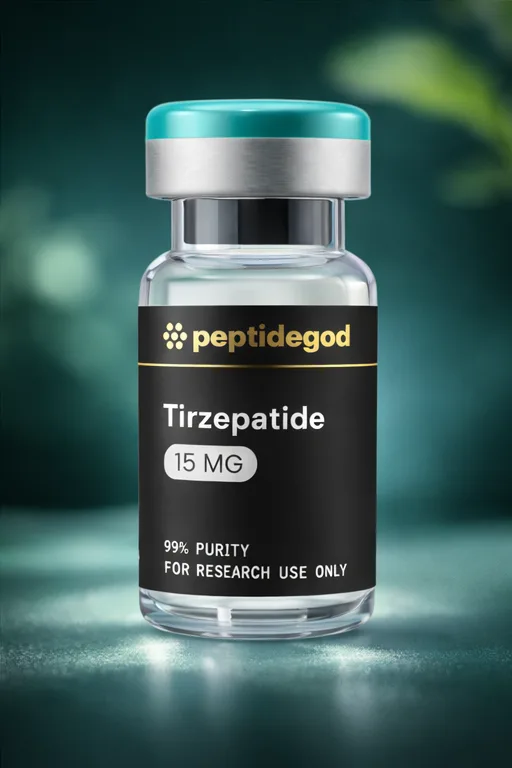
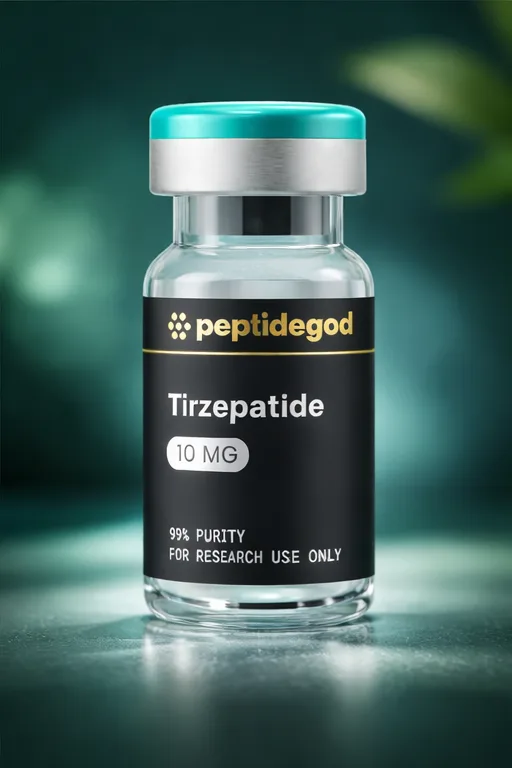


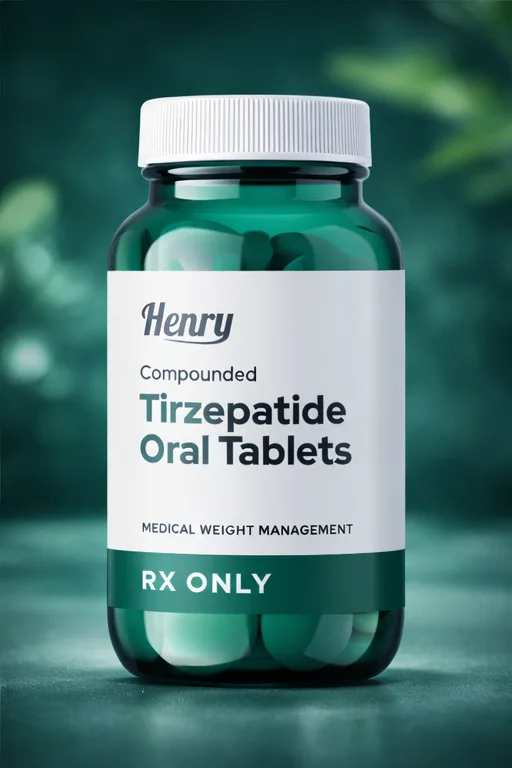
See top-rated vendors
Compare prices, purity and shipping at a glance.