What is the Real Out-of-Pocket Tirzepatide Cost in 2026?
What is the Real Out-of-Pocket Tirzepatide Cost in 2026?
The Sticker Price vs. What People Actually Pay
Tirzepatide, sold under the brand names Mounjaro (for type 2 diabetes) and Zepbound (for obesity), carries a list price of roughly $1,060 to $1,100 per month in 2026 without any insurance or discount program. That figure represents the retail pharmacy price for a four-week supply of auto-injector pens across common doses from 2.5 mg up to 15 mg. However, the vast majority of patients paying out of pocket never actually pay that amount. The real tirzepatide cost depends heavily on insurance status, manufacturer savings programs, compounding pharmacy access, and the specific dose prescribed.
Commercial Insurance and Employer Coverage
Patients with commercial health insurance have the most favorable access pathway, but coverage is inconsistent. Mounjaro is more broadly covered than Zepbound because insurers have historically been more willing to cover treatments for type 2 diabetes than for obesity alone. For those with active coverage and a qualifying diagnosis, copays can fall to as low as $25 per month using Eli Lilly's savings card stacked on top of insurance. Without that alignment, commercial plan members may face $150 to $400 per month in cost-sharing after meeting deductibles, depending on their specific formulary tier.
Zepbound coverage for obesity remains patchwork. Some large employer-sponsored plans added it in 2025 and 2026 as obesity management benefits expanded, but many mid-size and small-business plans still exclude it or require step-therapy through older agents first. Patients denied coverage should request a formal prior authorization and, if denied, file an appeal citing metabolic comorbidities such as hypertension, sleep apnea, or elevated cardiovascular risk.
Medicare, Medicaid, and Government Programs
Medicare Part D covers Mounjaro for beneficiaries with a confirmed type 2 diabetes diagnosis, but as of 2026 it still does not broadly cover Zepbound for obesity under the standard benefit. The Inflation Reduction Act's $2,000 out-of-pocket cap for Part D, which took effect in 2025, has helped Medicare patients with diabetes control their annual tirzepatide cost considerably. Medicaid coverage varies by state; roughly half of states have expanded their preferred drug lists to include at least one GLP-1 or GIP/GLP-1 dual agonist for obesity, while others restrict coverage to diabetes indications only.
The Lilly Savings Programs and Patient Assistance
Eli Lilly operates two key discount mechanisms that dramatically affect real-world costs. The first is the commercial savings card, available to insured patients, which can reduce monthly out-of-pocket cost to $25 for Zepbound or Mounjaro. The second is the Lilly Insulin Value Program analog for other medications, which in some cases provides tirzepatide at reduced cost for uninsured patients who meet income requirements. Separately, Lilly's patient assistance program offers free medication to qualifying uninsured or underinsured patients with household income below a threshold set annually — typically around 400 to 600 percent of the federal poverty level.
Compounded Tirzepatide: A Lower-Cost Alternative With Caveats
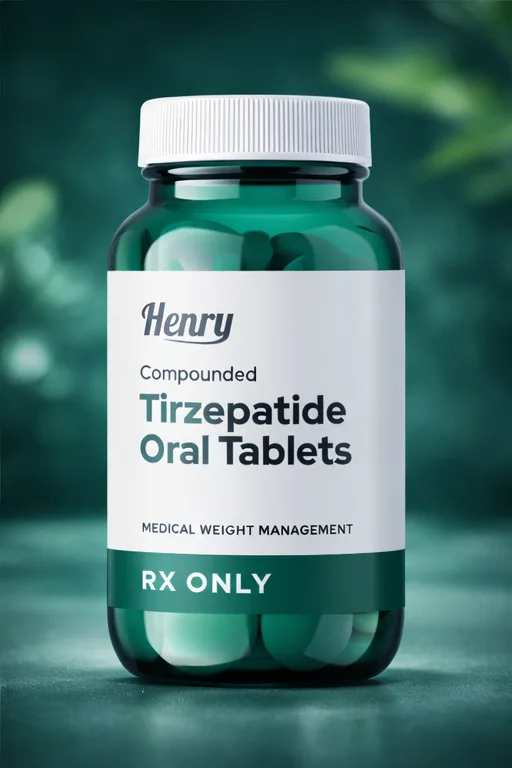
Throughout 2024 and into 2025, FDA-designated drug shortages allowed 503A and 503B compounding pharmacies to legally produce tirzepatide formulations. Compounded versions were typically priced between $200 and $500 per month, making them accessible to a much wider population. However, the FDA officially removed tirzepatide from the shortage list in early 2025, triggering enforcement actions against compounders. By mid-2026, the legal compounding landscape is significantly narrower. Some 503B outsourcing facilities with specific patient-need documentation can still compound, but broad commercial compounded tirzepatide has largely exited the market. Patients who relied on this pathway should consult a licensed provider about current legal alternatives.
Estimating Your Realistic Monthly Cost
To understand your actual exposure, consider these typical scenarios in 2026:
- Insured with T2D diagnosis and Lilly savings card: $25 per month
- Insured for obesity, Zepbound covered at Tier 3: $150 to $350 per month after deductible
- Uninsured, full retail price: $1,060 to $1,100 per month
- Uninsured, qualifying for Lilly patient assistance: $0 to reduced cost
- Medicare Part D with T2D and post-IRA cap: $0 to $166 per month depending on plan and phase
The single most impactful step any prospective patient can take is calling their insurer before the first prescription is written to verify formulary placement, prior authorization requirements, and step-therapy rules. Pairing that with a visit to Lilly's official savings portal can close the gap between list price and manageable tirzepatide cost for most commercially insured patients. For uninsured individuals, requesting a formal patient assistance application from a prescribing clinician is the highest-value next move.
Recommended products
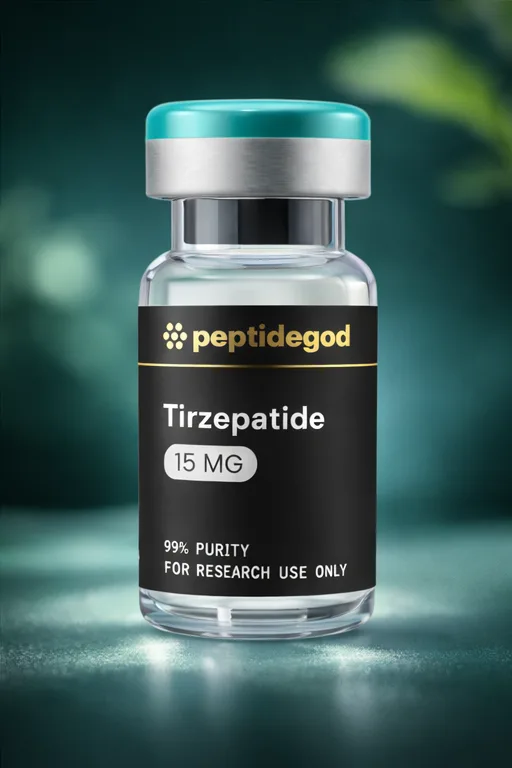
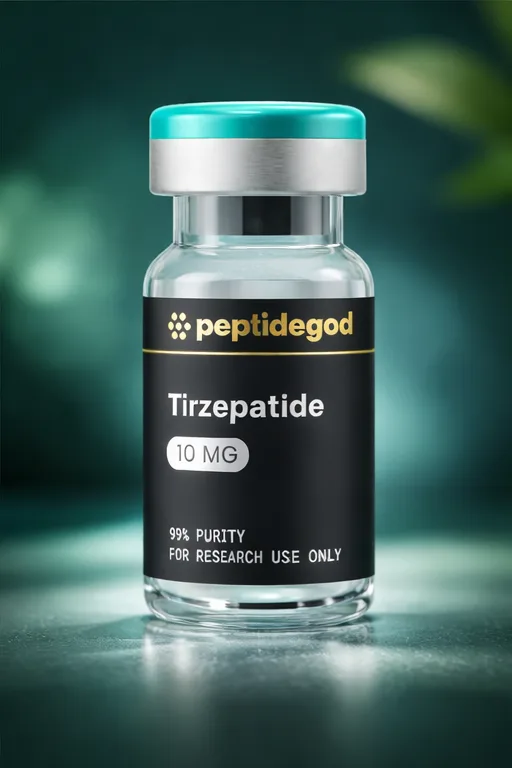
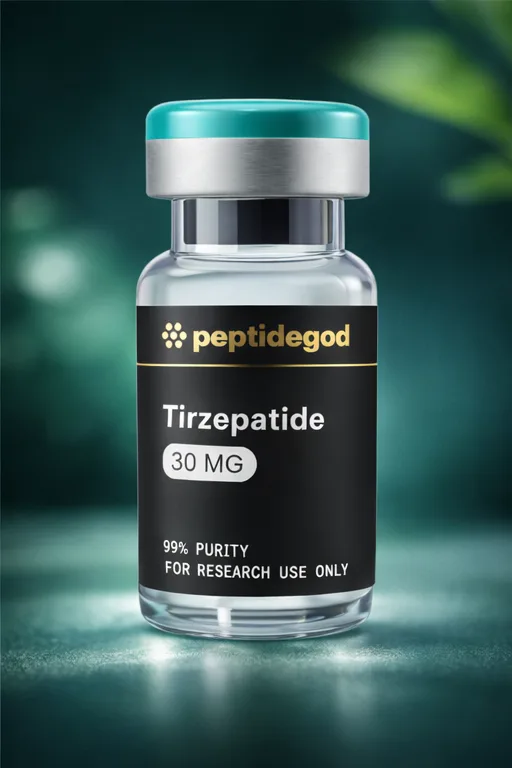
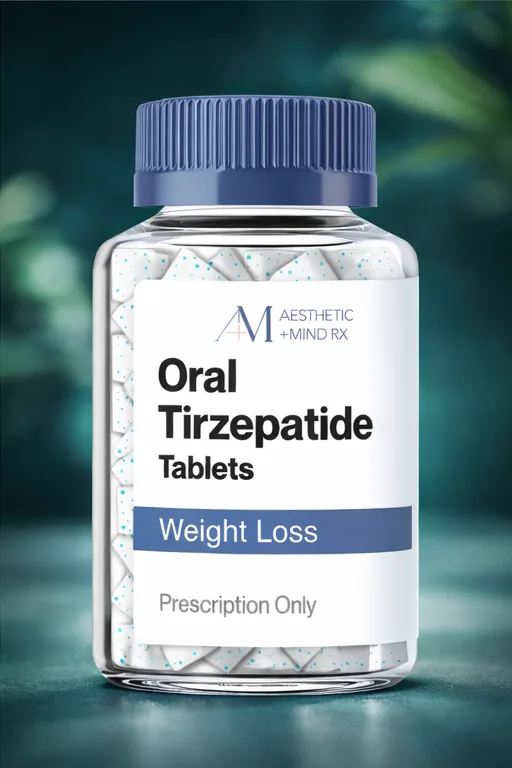
See top-rated vendors
Compare prices, purity and shipping at a glance.